
We need to talk about Birth Trauma — and why the UK needs maternity reform
WRITTEN BY HANNAH
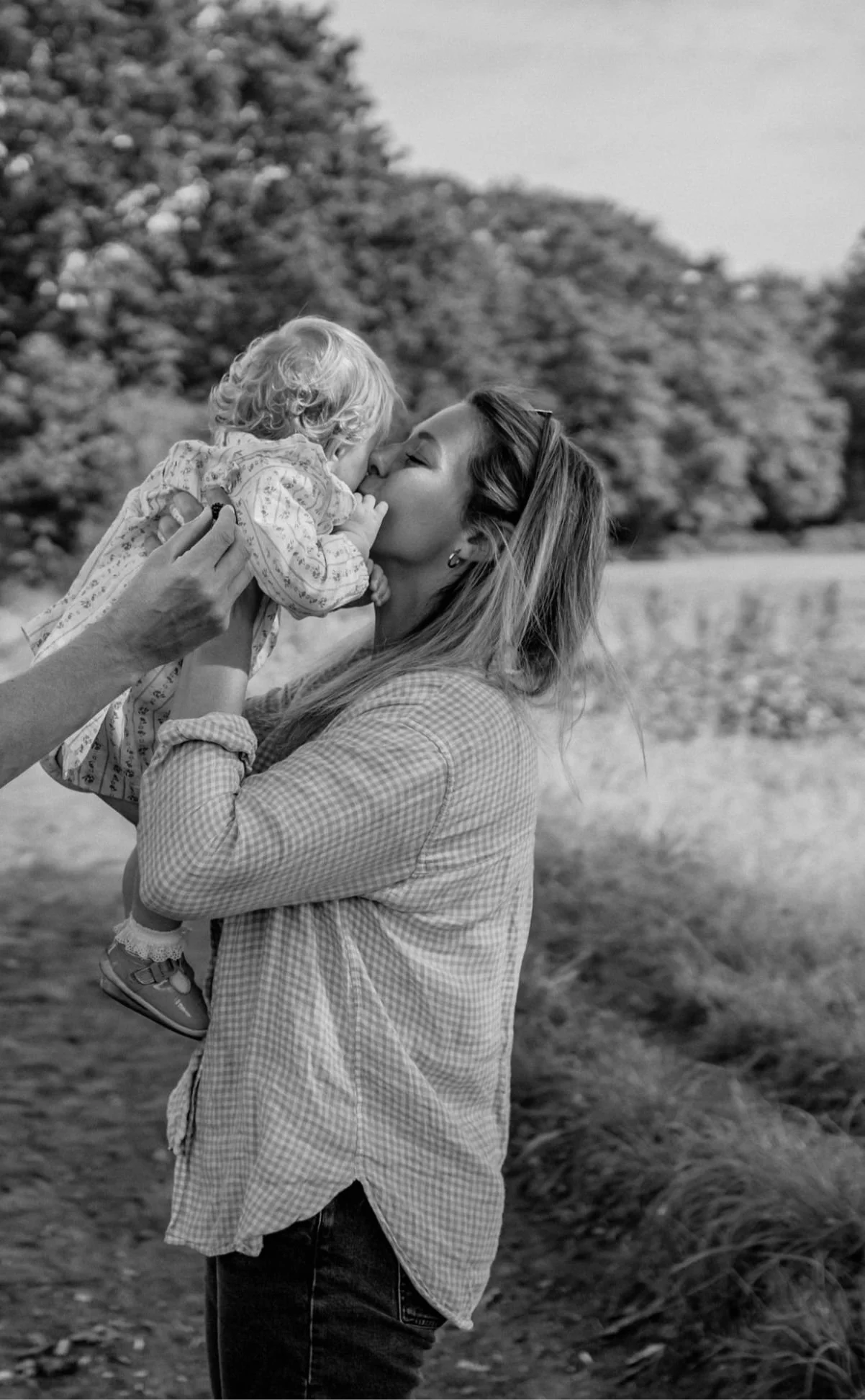
Hannah and her first daughter
Sometimes I drive past the hospital where my first daughter was born, and I shudder. The experience was awful. The birth was traumatic. The care felt neglectful. Birth trauma is something I lived through and for a period of my life, it consumed me. It was exhausting. I was anxious and irritable. I became flaky with friends. Large groups of people felt overwhelming. I withdrew from relationships and developed separation anxiety from both my husband and my daughter. I poured every bit of energy I had into my daughter and into trying to be a good mother.
My husband supported me in every way he could. Every so often, he would gently encourage me to seek support – and I would shut him down.
“I’m fine.”
That became my mantra. I was desperately trying to live it. If I kept saying it, kept pushing forward, surely I would be fine.
I didn’t confide in my friends about how upset I felt. I thought that if I admitted to feeling isolated and anxious, it would sound like I didn’t enjoy motherhood and that wasn’t true.
I did enjoy it.
I loved my daughter deeply. I loved watching her grow. I looked forward to her first Christmas with excitement. I enjoyed playing with her, weaning her onto solids, and discovering her little personality. I still feel a deep sense of nostalgia for a toy rattle she loved that we all called “Mike the Bee”.
But alongside that joy, there were deep feelings of low self-worth and shame.
I also began avoiding friends for another reason. So many of them, with the best intentions, would ask:
“When are you having another?”
I began to resent it. The question... not the people asking it. When I answered honestly, I would say, “I don’t want another baby. I couldn’t face being pregnant again or giving birth. I don’t feel strong enough.” The response was almost always the same:
“Oh, it won’t be the same next time! Of course you can!”
It was meant to be reassuring, but it felt minimising. And sometimes, it sent me into a dark spiral. I would think ‘I’m such a drama queen. Maybe everyone would be better off without me. My daughter could have a sibling. My husband could have more children’. So I avoided the topic and, at times, the people I loved. I didn’t want those thoughts rising to the surface.
Around my daughter’s first birthday, I had a moment of clarity.
I wasn’t getting better.
I had assumed time would fix everything, that I would just move on, get on with it. But I still felt like I had failed in so many ways. My 'failure to progress' birth, our failed breastfeeding journey, those early days that passed in a haze. I found myself reliving the birth and the events that followed in the hospital over and over again, often accompanied by guilt and anxiety.
I remember walking my daughter through a park filled with daffodils in the sunshine and thinking:
When will this end?
Eventually, I went to my doctor. I sat in the room, my daughter parked up in her pram munching on some sort of puffed snack and confessed that I thought I had postnatal depression. Instead, she diagnosed me with birth trauma and encouraged me to find a specialist therapist.
So I did.
I went to therapy for two years. I had EMDR therapy. I spent many sessions apologising for crying, or explaining how grateful I was to the NHS for saving my daughter’s life – not once, but twice. I can't remember how many sessions I attended before my therapist said something that made me sit up and listen.
“You don’t have to apologise for your feelings. It’s wonderful that you feel gratitude, but don’t let the world make you feel like gratitude is all you’re allowed to feel. It’s a doctor’s job to save lives and provide care. It was also their job to take care of you and they didn’t.”
It felt shocking and also liberating.
During those two years, we often spoke about my internal struggle. I would talk about wanting more children, but fearing what another experience might do to me.
What if everything unravelled again? What if I wasn’t as resilient the second time? What if it affected my daughter?
The following year, I welcomed my second daughter into the world.
It turns out I was strong enough. And I did want more children. But this time, everything was different. I was supported by the perinatal mental health team, and a lead midwife named Louise took incredible care of me throughout my pregnancy. For eight months, I felt seen, heard, and safe. That experience showed me what birth can be like when women are listened to, supported, and treated with compassion.
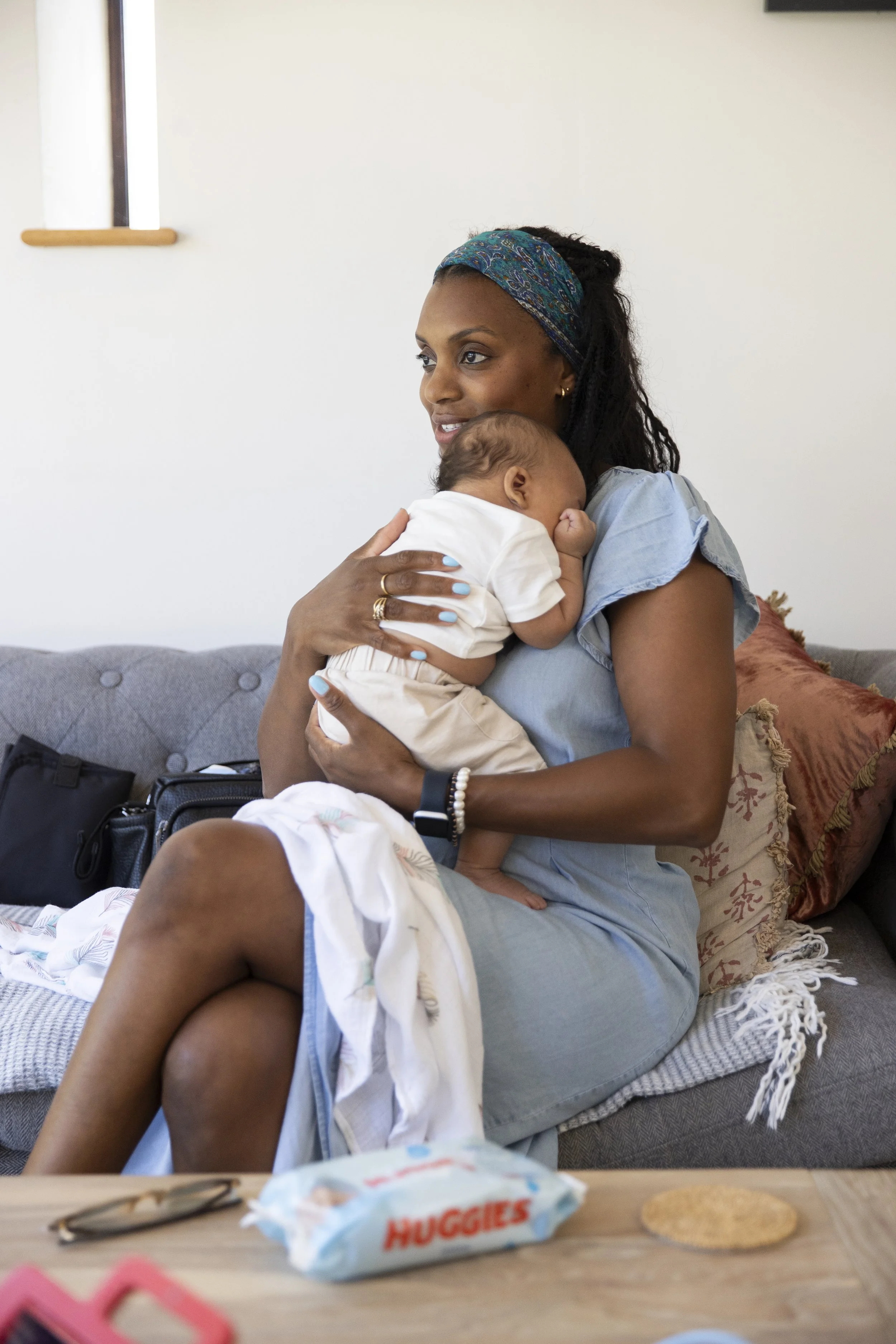
Mum and baby
I never planned to talk about this publicly, whether on a podcast or in a blog post. But right now, there is a growing call for maternity reform in the UK, and it is desperately needed. Most of us can think of someone, a friend, a sister, a colleague who has experienced birth trauma or neglect in maternity care. In the same way the ‘Me Too’ movement exposed a culture of silence around harassment, I believe there is a similar silence around women’s experiences during pregnancy, childbirth, and postnatal care.
Why don’t more women speak out?
Perhaps it’s embarrassment or shame. Perhaps it’s because we are told, over and over again, to simply be grateful – for our fertility, for a healthy baby, for the NHS.
But two things can be true at once.
I can feel incredibly lucky to have carried a healthy baby and still be traumatised by birth and the time I spent in hospital when she born.
I can feel guilty that I didn’t advocate for myself, and proud that I held it together as best I could. I can feel deeply grateful for the NHS and still believe it should be held accountable for its failings.
Women’s health has historically not been a priority. We know that maternity care needs reform, and we likely won’t get it unless we make noise. It takes courage to speak out about birth trauma or postnatal depression. It takes even more courage to pursue accountability in court.
Those voices matter.
But we also need reform for the silent sufferers – the women who, for their own reasons, never come forward. Because too often, maternity care in the NHS can feel under-resourced, inconsistent, and, at times, lacking compassion.
So I ask you...
Do you think your birth experience could have been better? Do you want maternity and postnatal care in the UK to improve? Do you want change for yourself, for your friends, for your daughters?
If so, please consider signing the petition.
And, finally, if you are reading this and thinking:
“When will I feel better?” “How could this happen to me?”
Please tell someone you love how you are feeling.
You matter.
Helpful links
Listen to our podcast episode with Hannah here - Birth Trauma - my story
Listen to our episode with Trudi Webber from Make Birth Better here
Make Birth Better
www.birthtraumaassociation.org.uk
While you are here you might want to have a look at our downloadable webinars. A link to these is here.
Don’t forget that we also offer parent consultations should you need support with anything. Details of the packages we offer can be found here.
Our podcast - ‘Newborn to Teen and Everything in Between’ - listen here.